Llámanos
:
+8618925446207
Envíenos un correo electrónico
:
marketing@databeyond.com
 English
 Français
 Deutsch
 Español
 日本語
日本語 中文
中文




A nivel mundial, se generan anualmente más de 92 millones de toneladas de textiles posconsumo, y solo en China se superan los 20 millones de toneladas; sin embargo, la tasa de reciclaje y reutilización se mantiene por debajo del 1 %. Incluso las categorías más reciclables, como las prendas de algodón puro y poliéster puro, suelen mezclarse y procesarse junto con artículos de bajo valor, como tejidos mixtos, textiles recubiertos y piezas teñidas en exceso, simplemente porque los métodos de clasificación tradicionales no permiten identificar con precisión su composición y pureza. Como resultado, más del 90 % de las prendas de fibra pura que podrían haberse destinado directamente a la regeneración de alta calidad terminan trituradas, degradadas o incluso depositadas en vertederos e incineradas.
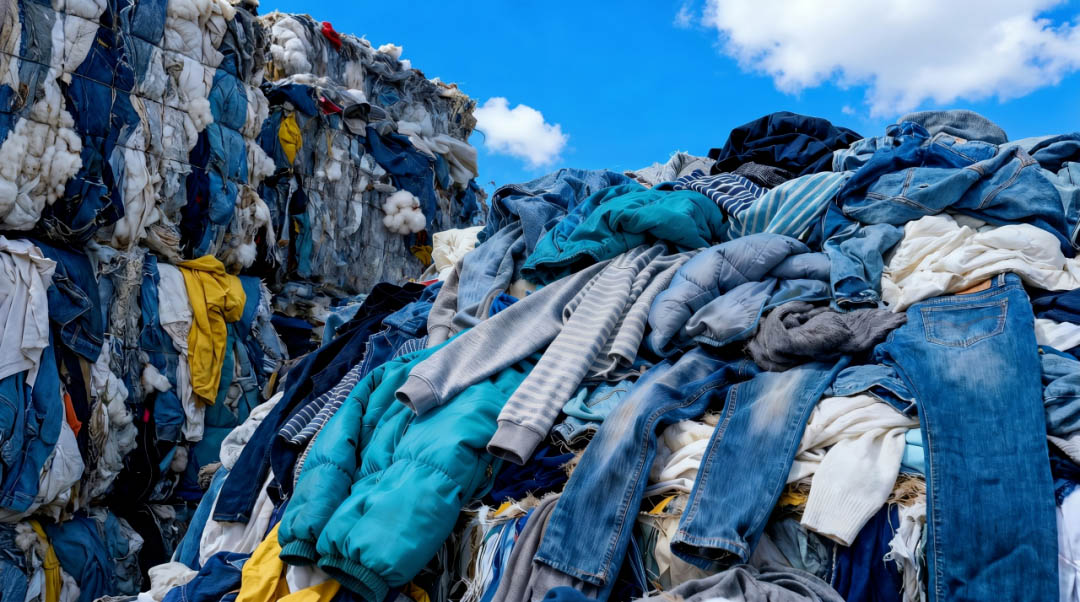
Con el avance de las iniciativas de "Ciudad Cero Residuos" y la publicación de las Opiniones de Implementación de China sobre la Aceleración de la Utilización Circular de los Residuos Textiles, que establecen una meta de una tasa de utilización circular del 25% para 2025, el reciclaje textil ha pasado de ser una "opción" a un "imperativo".
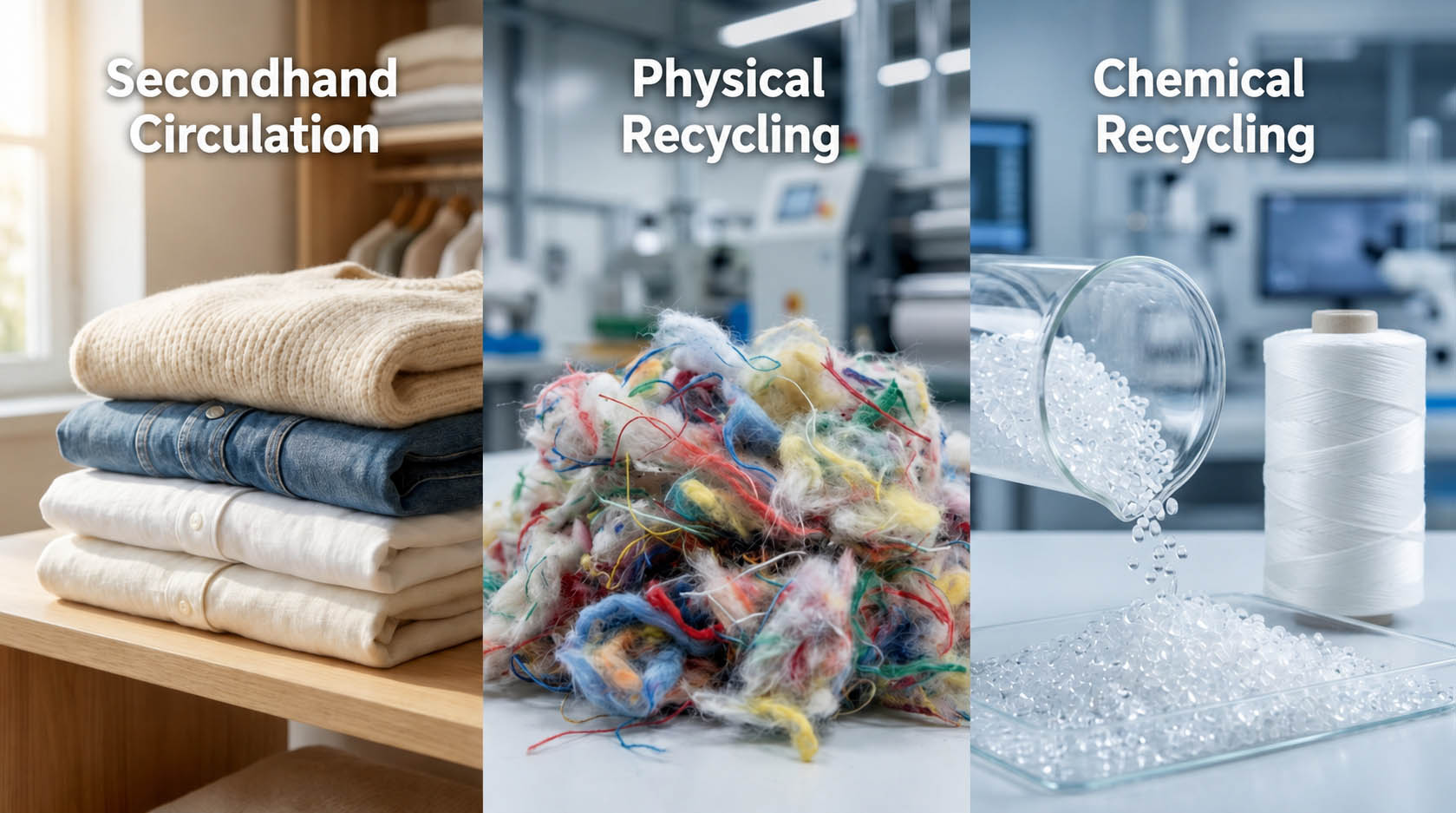
Sin embargo, existe un consenso generalizado en el sector: el verdadero cuello de botella no es la recolección, sino la clasificación. Sin la capacidad de identificar con precisión el tipo de material, el color y los contaminantes, todas las etapas posteriores del reciclaje se vuelven ineficientes e inmanejables. La falta de clasificación genera desperdicio; una mala clasificación implica la pérdida de control. La clasificación precisa es la única vía para el reciclaje de textiles de alto valor.
Con una solución integral que combina la "desviación precisa de prendas completas con la purificación profunda de fragmentos", Databeyond ofrece la respuesta, desde la materia prima empacada hasta el producto final de alta pureza.
La solución de clasificación textil de Databeyond desbloquea la cadena de alto valor.
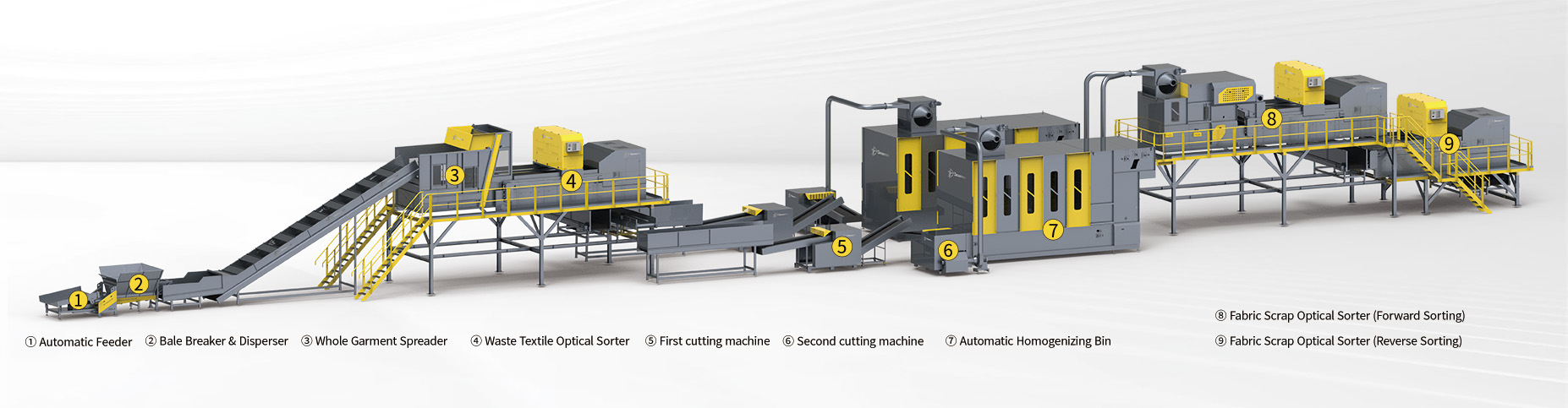
Los métodos tradicionales solo clasifican superficialmente los residuos textiles antes de triturarlos. Como resultado, las prendas de segunda mano más valiosas y los monomateriales de alta pureza se degradan antes de que se pueda aprovechar todo su potencial. Databeyond emplea un proceso innovador de desarrollo propio que consiste en la separación precisa de la prenda completa y, posteriormente, la purificación profunda de los fragmentos triturados, lo que permite un tratamiento totalmente automatizado.
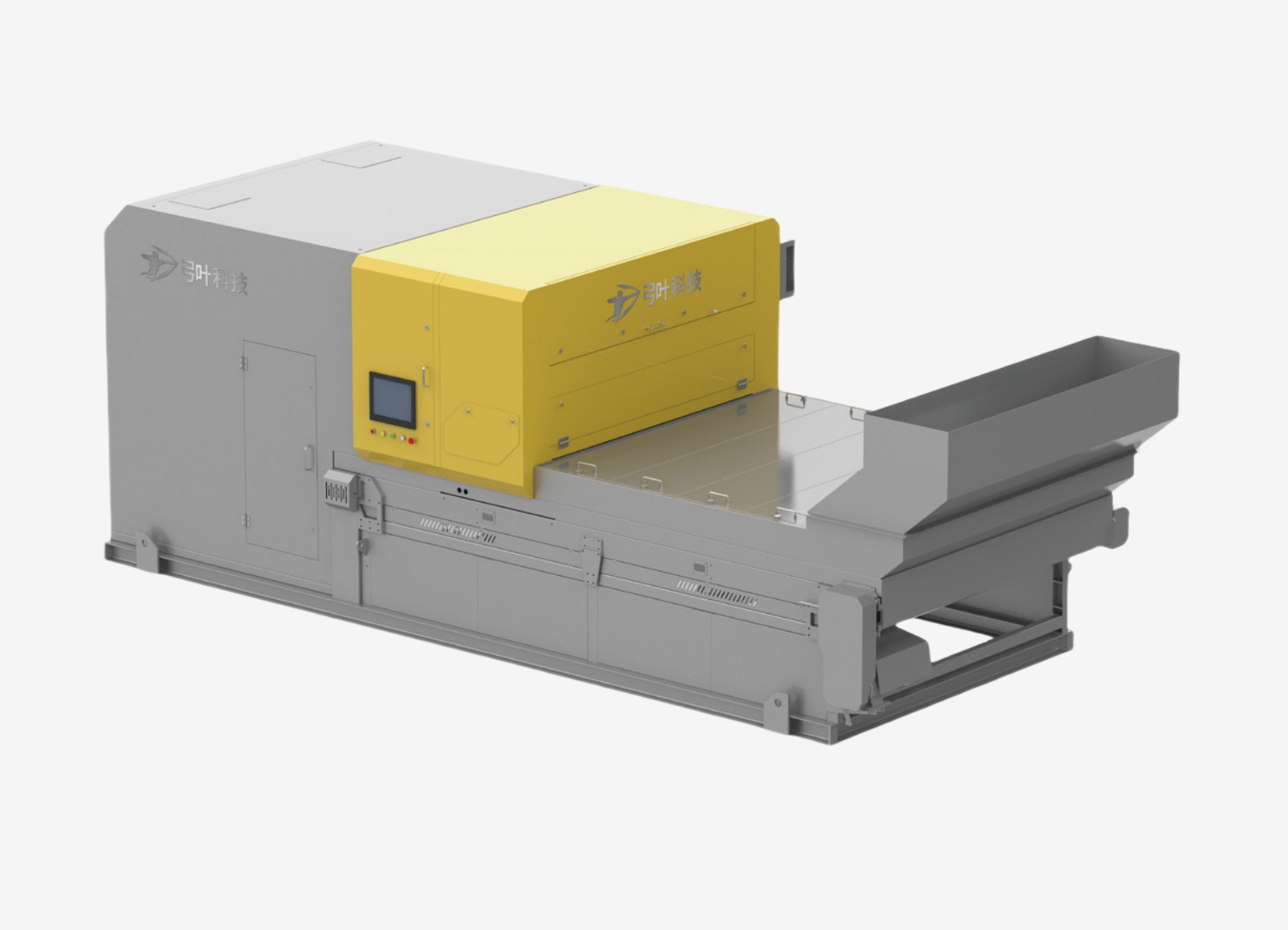
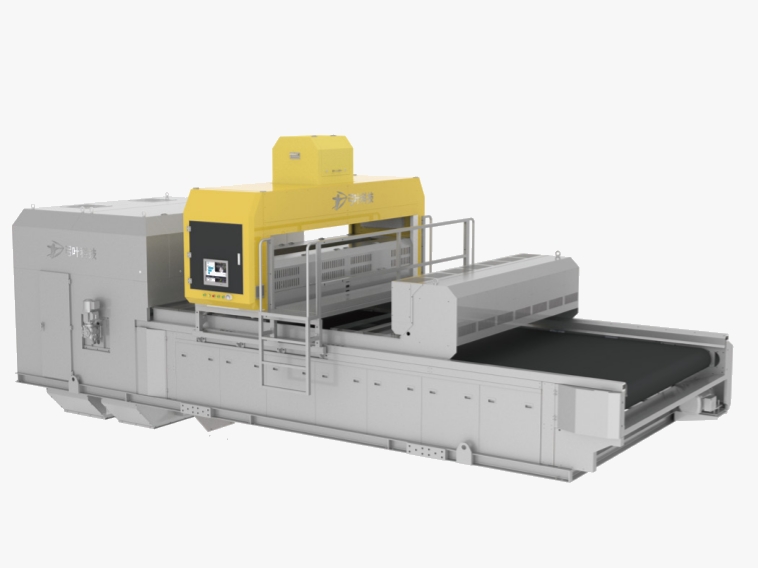
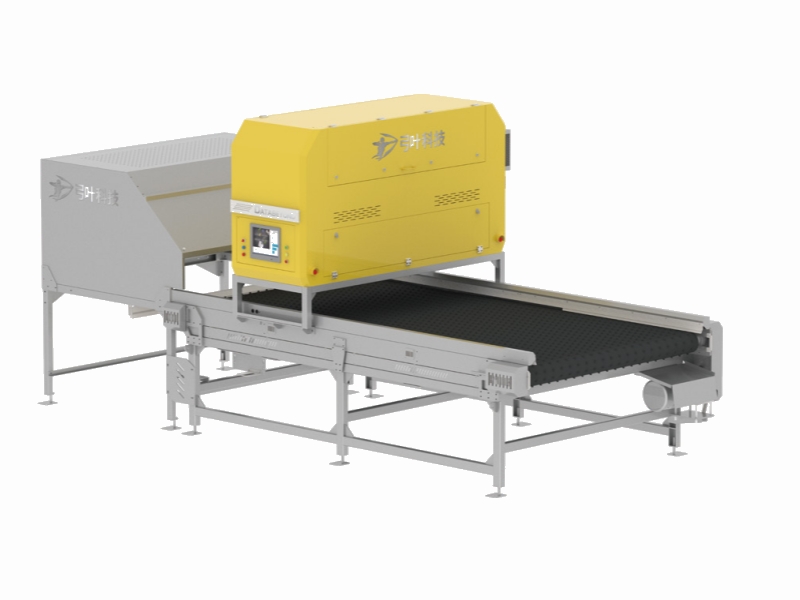
1. Clasificador óptico de residuos textiles FASTSORT™
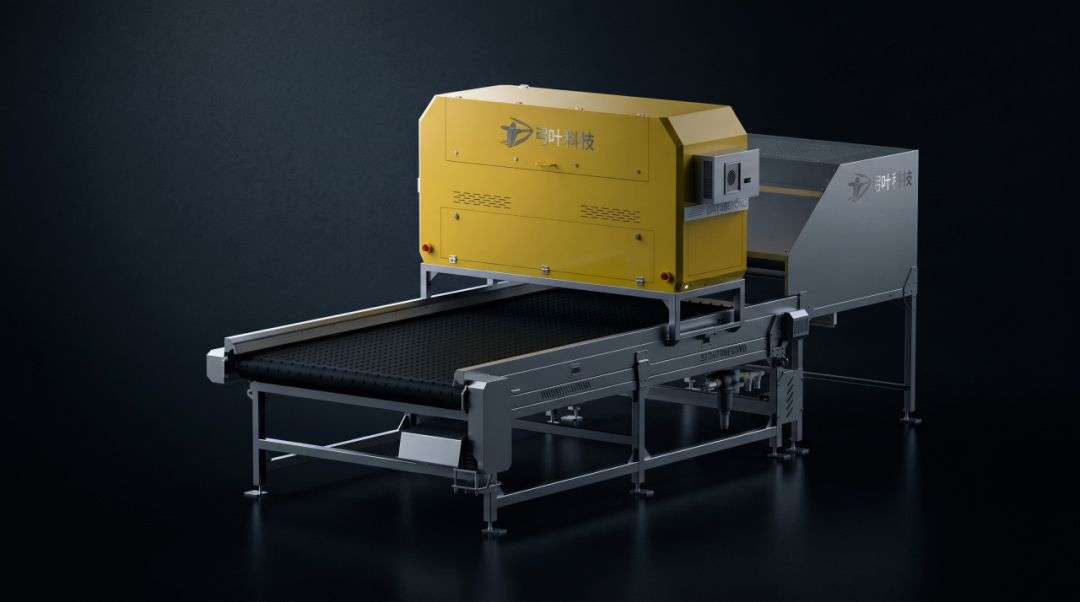
El clasificador óptico de residuos textiles FASTSORT™ TEXTILE integra el desempaquetado, la dispersión del material y la clasificación en un solo sistema. Equipado con un sensor hiperespectral de 256 bandas y un sistema de visión con inteligencia artificial, realiza una clasificación multidimensional mientras las prendas aún están intactas.
Identificación de materiales: Distingue con precisión los porcentajes de composición de algodón puro, poliéster, nailon, elastano, lana, etc., y admite la clasificación personalizada en función de umbrales preestablecidos, como un contenido de poliéster ≥90 % o un contenido de algodón ≥80 %.
Reconocimiento de color y estilo: Captura con precisión el color y las características estructurales de la prenda, como el tipo de cuello y de manga.
Rechazo automático de contaminantes: Separa las prendas dañadas o sucias, así como las que contienen cuero o revestimientos.
Mediante la clasificación óptica de prendas completas, las prendas reutilizables de segunda mano y los flujos de monomateriales de alta pureza se desvían con precisión desde el principio, maximizando así la conservación del valor del material.
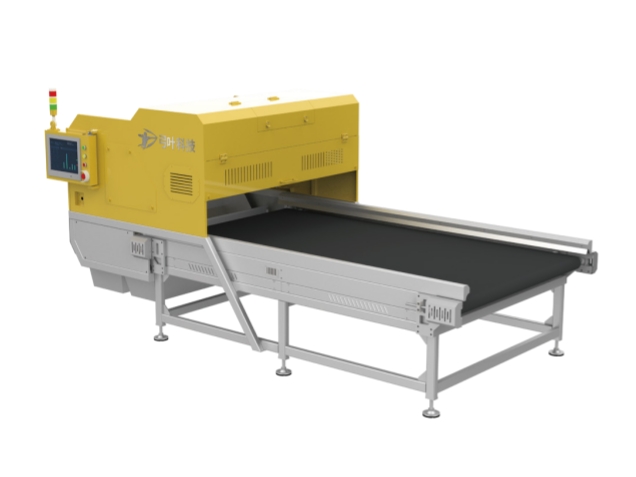
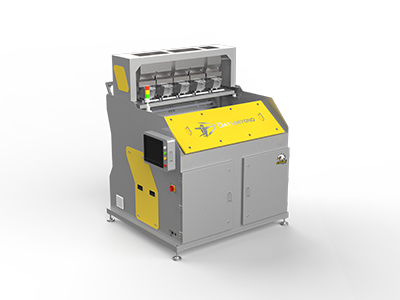
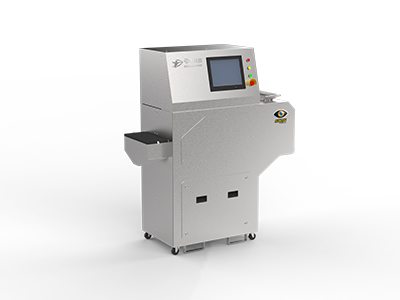
2. Clasificador óptico de retazos de tela FASTSORT™ TEXTILE-FLAKE
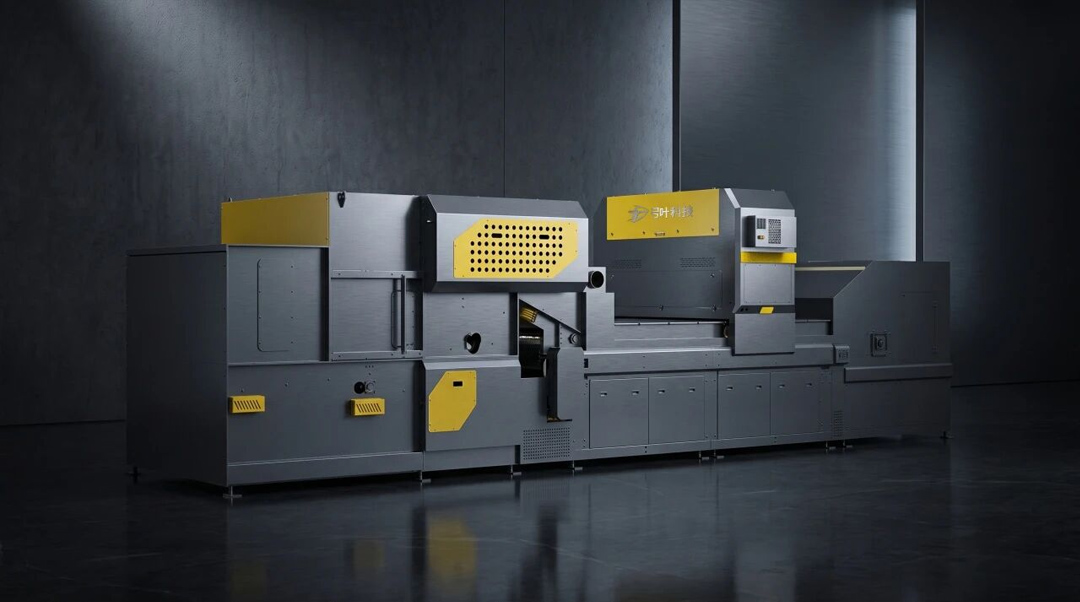
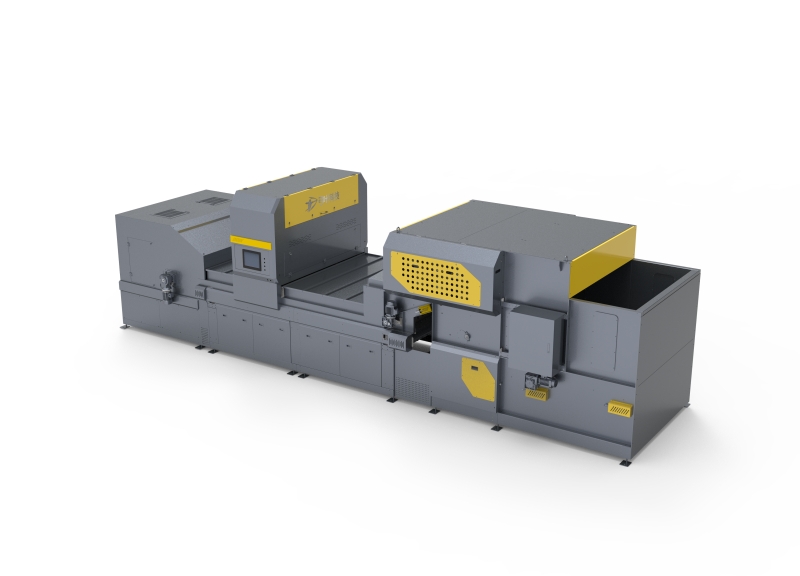
Tras la clasificación de prendas completas, los residuos textiles restantes se someten al proceso de trituración en dos etapas y distribución inteligente de materiales desarrollado por Databeyond, que resuelve por completo los problemas tradicionales de producción irregular y acumulación de material, creando las condiciones ideales para la clasificación posterior. Una vez que los fragmentos triturados entran en la etapa de purificación, los clasificadores ópticos de residuos textiles FASTSORT™ TEXTILE-FLAKE trabajan en conjunto mediante la clasificación directa e inversa.
Clasificador directo: Separa con precisión los materiales deseados, como el poliéster puro y el algodón puro, de los retazos de tela mezclados.
Clasificador inverso: Purifica profundamente el material previamente clasificado, eliminando todo tipo de objetos extraños no textiles, como botones, cremalleras, metales y plásticos.
Gracias a la sinergia de esta doble máquina, los tejidos mixtos de bajo valor se transforman directamente en monomateriales de alta pureza, cumpliendo de forma fiable con los requisitos de calidad de las empresas de reciclaje. El objetivo final de la recuperación de residuos textiles es la regeneración circular. Las soluciones de clasificación de prendas completas y restos de tejido de Databeyond garantizan una materia prima estable y de alta pureza para el reciclaje mecánico y químico.
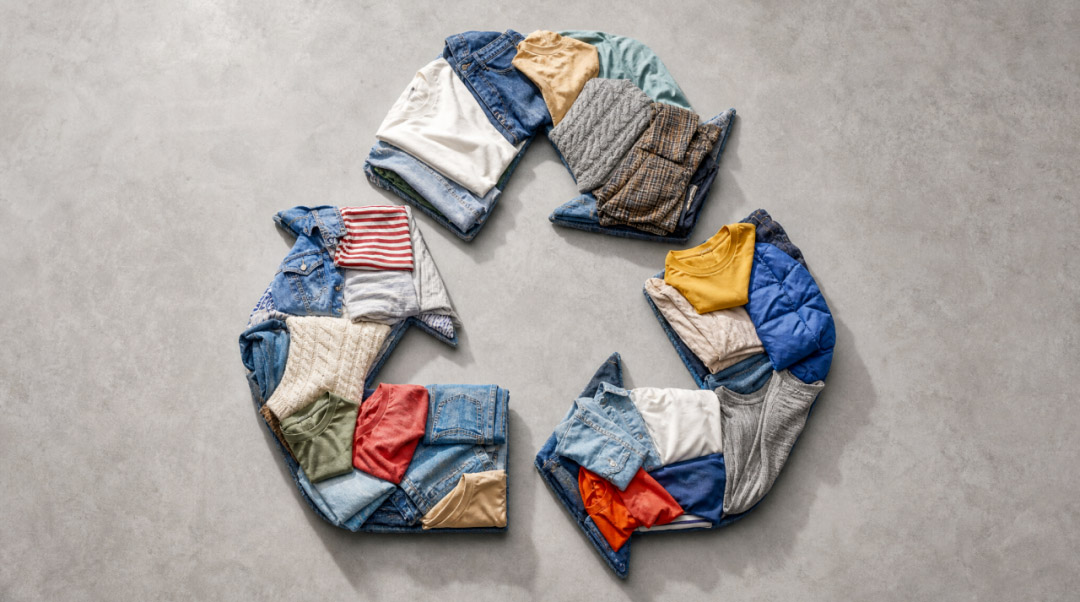
Databeyond se compromete a hacer que la tecnología de clasificación inteligente de alta gama sea accesible y de amplia aplicación, para que más empresas de reciclaje puedan "accesible y utilizarla eficazmente". Impulsados por la innovación tecnológica, estamos haciendo avanzar la industria de los recursos renovables hacia la inteligencia, garantizando que cada residuo recupere su valor legítimo y construyendo un futuro verde, circular y sostenible.
 IPv6 RED SOPORTADA
Dejar un mensaje
Escanear a WeChat :

Escanear a WhatsApp :