Llámanos
:
+86 18098231298
Envíenos un correo electrónico
:
marketing@databeyond.com
 English
 Français
 Deutsch
 Español
 日本語
 中文





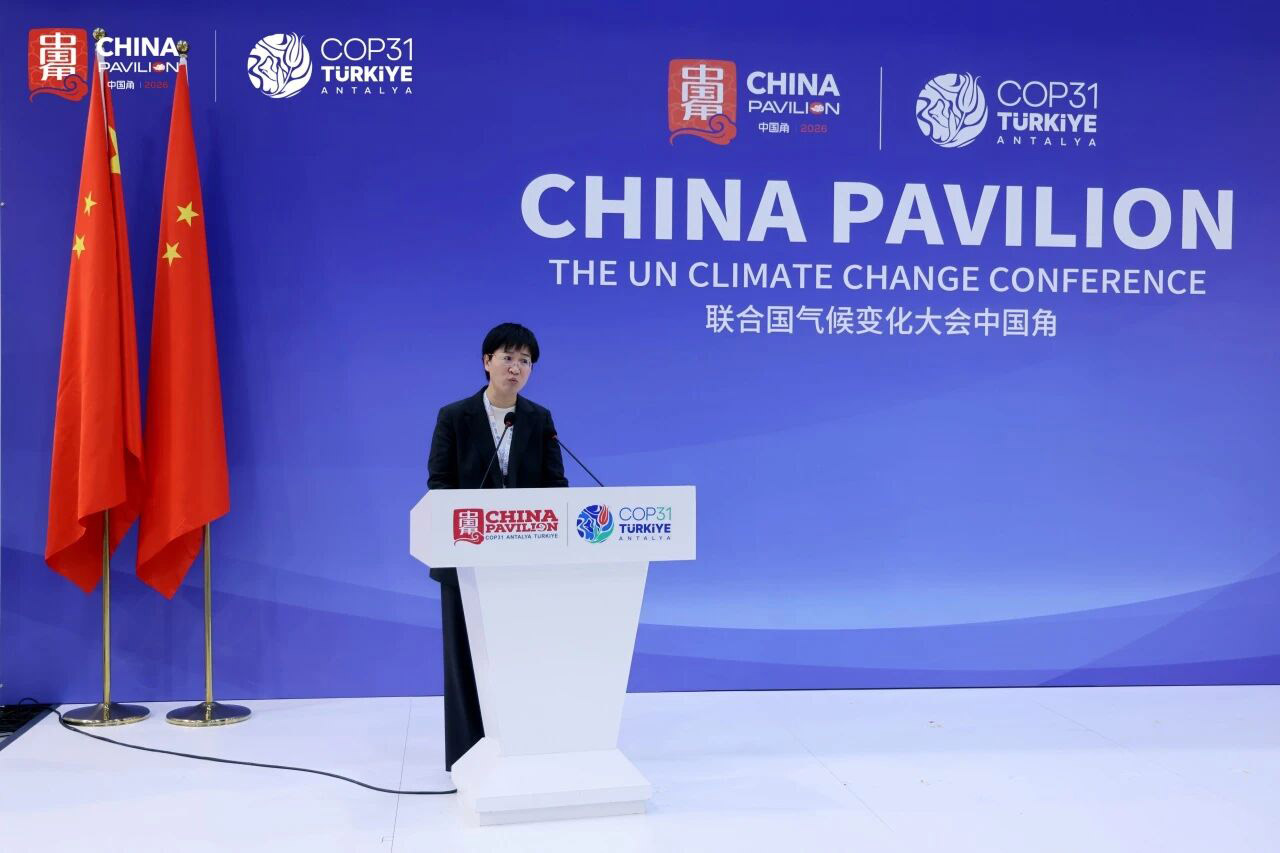
ANTALYA, Türkiye, November 20, 2026 — Hangzhou DataBeyond Technology Co., Ltd. (“DataBeyond”), a provider of intelligent waste-sorting equipment and solutions, was invited to the “Building Green and Low-Carbon Supply Chains” event at the China Pavilion during the 31st United Nations Climate Change Conference (COP31), held in Antalya, Türkiye, from November 9 to 20. The company shared its experience applying artificial intelligence (AI) and embodied robotics to municipal solid waste (MSW) reduction, resource recovery and recycling, and discussed international cooperation in circular supply chains.
According to the United Nations Environment Programme’s Global Waste Management Outlook 2024, global municipal solid waste generation reached approximately 2.1 billion tonnes in 2023 and is projected to rise to 3.8 billion tonnes by 2050. Separately, global circularity research estimates that secondary materials account for less than 7% of materials entering the world economy. Mixed collection, complex waste composition and limited sorting capacity continue to prevent valuable resources from being recovered.

At the event, DataBeyond Chairwoman Zhuoya Mo presented how AI and embodied robotics can help return recoverable materials to low-carbon supply chains. Her presentation emphasized a practical approach: recover valuable materials first, recycle them wherever feasible and send residual waste for appropriate treatment.
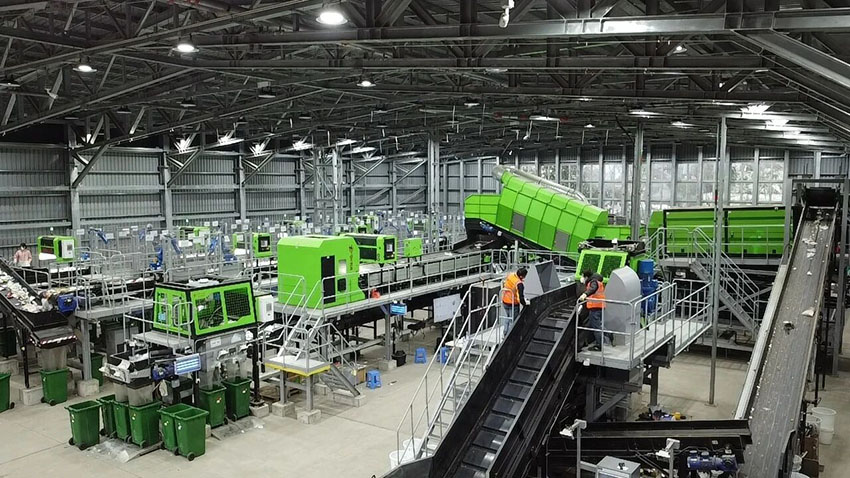
Over the past eight years, DataBeyond has developed sorting technologies designed to extract usable materials from mixed waste. In MSW applications, its systems separate valuable plastic films, including polypropylene (PP), polyethylene (PE) and polystyrene (PS), while removing unwanted materials such as PVC, PET and multilayer films. According to company project data, selected recovered film streams can achieve purity exceeding 95% under specified operating conditions.
After shredding, washing and pelletizing, suitable recovered plastics can be processed into feedstock for manufacturing everyday products through injection molding, compression molding and blow molding. Recovering these materials before final disposal helps reduce the amount of waste sent to incineration or landfill while extending the useful life of resources.
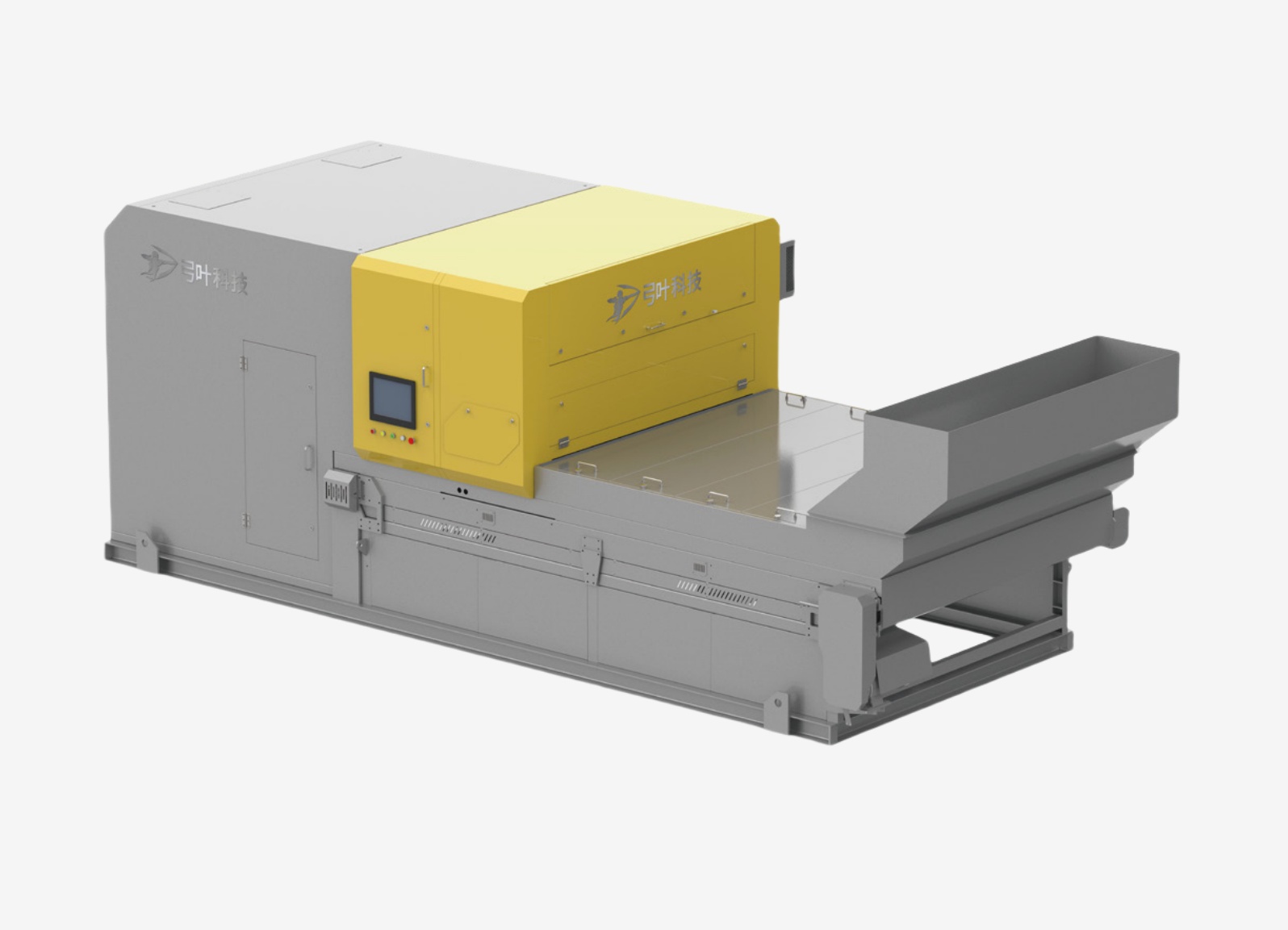
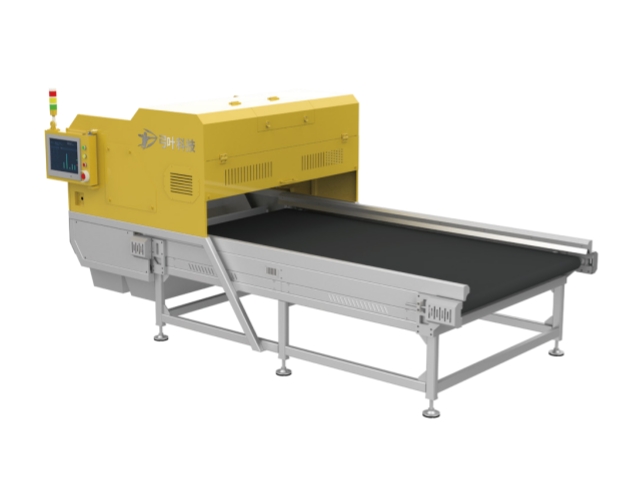
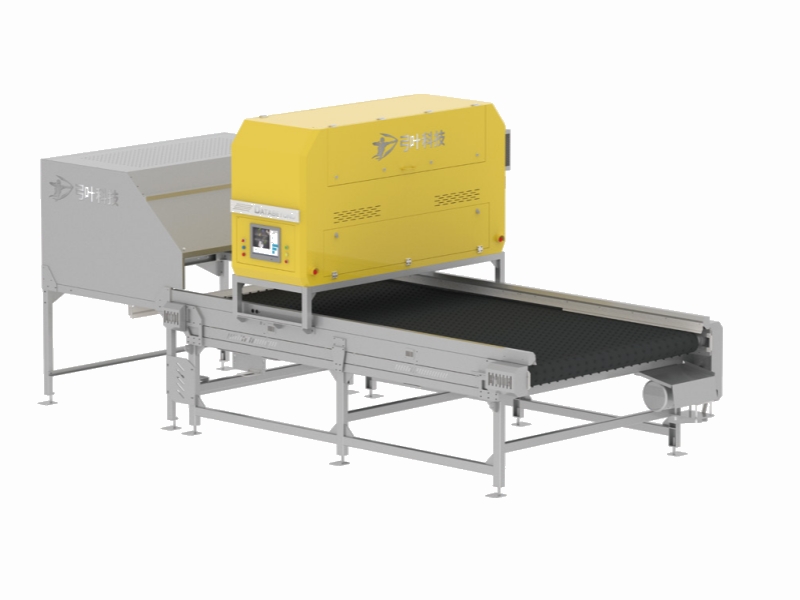
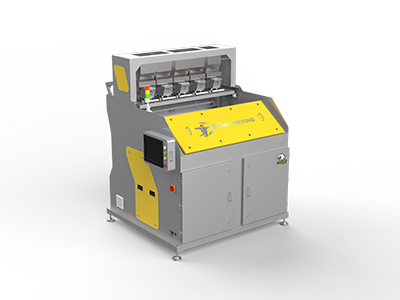
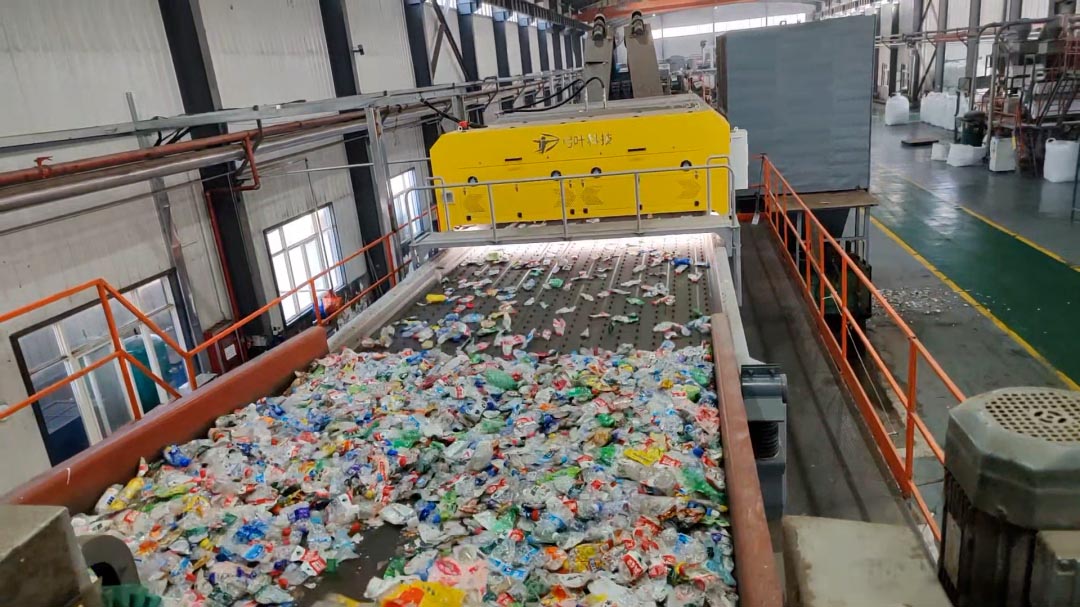
Sorting plastics by appearance alone is difficult when materials have similar colors but different chemical compositions. DataBeyond’s AI hyperspectral optical sorters identify and separate materials such as PET, PP, PE, ABS and PS, supporting precise sorting of mixed rigid plastics, PET bottles and PET flakes.
By removing incompatible materials and improving feedstock consistency, these systems help recyclers supply higher-quality materials for downstream manufacturing. In PET recycling, advanced sorting can support bottle-to-bottle applications, including the production of food-contact-grade recycled PET where subsequent processing and regulatory requirements are met. Greater use of qualified recycled materials can also reduce demand for virgin fossil-based feedstock.
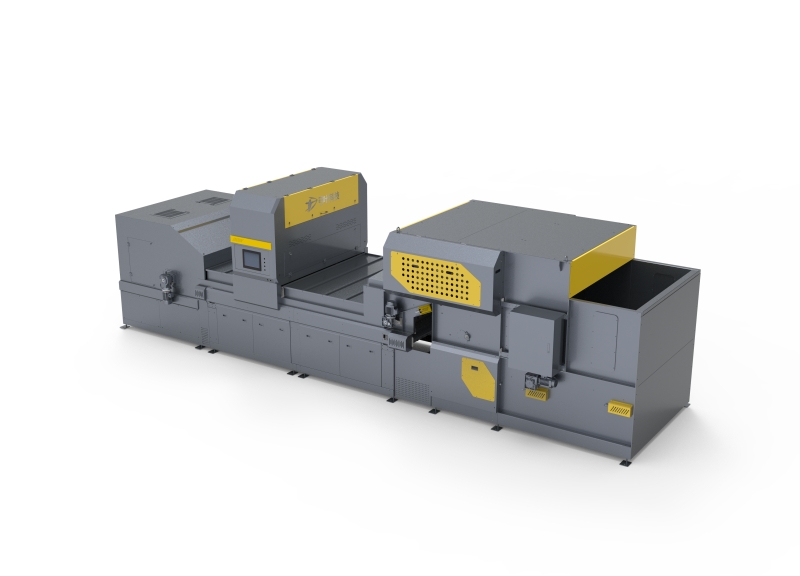
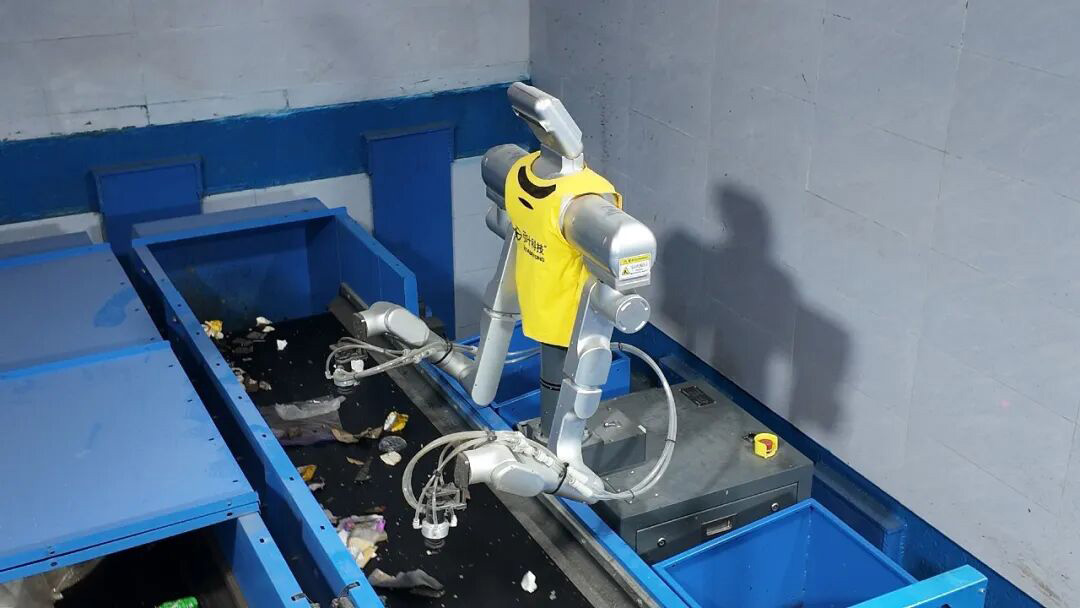
DataBeyond has pioneered the integration of AI hyperspectral optical sorting with embodied robotic picking. Optical sorters process high-volume streams of relatively consistent materials, while robots recover smaller quantities of diverse recyclable items from residual waste.
This combination of high-throughput sorting and flexible picking broadens recovery opportunities in complex waste streams. DataBeyond reports that its technologies have been deployed in automated waste-sorting facilities across multiple countries, helping operators reduce reliance on manual sorting in demanding environments.
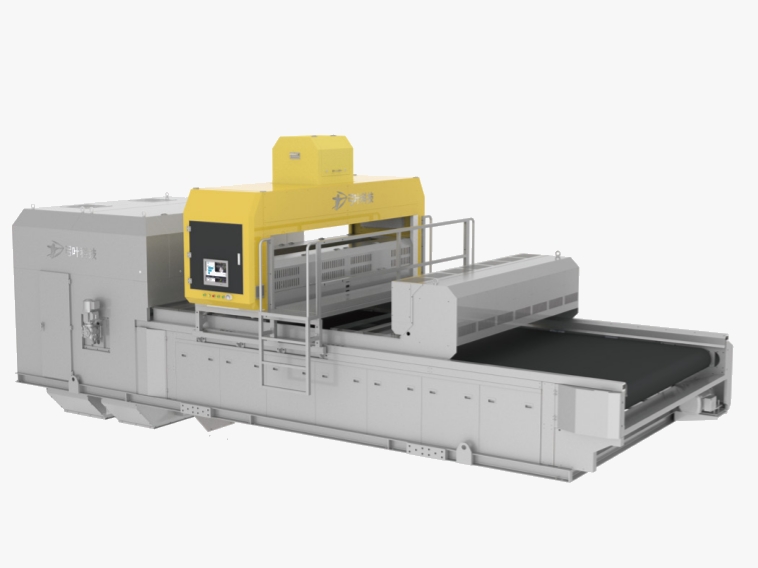
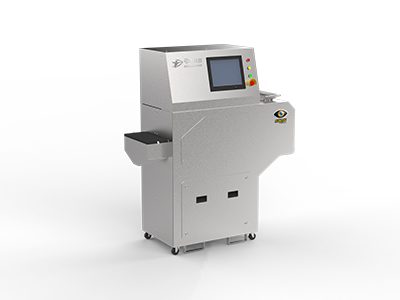
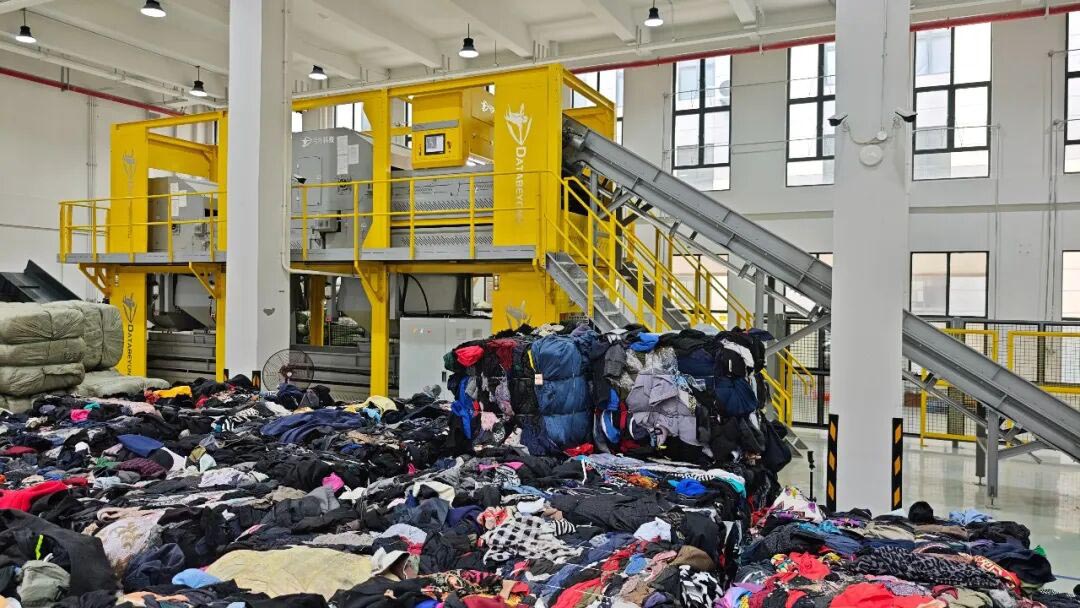
DataBeyond’s FASTSORT-TEXTILE-AI-SPEC system uses AI hyperspectral sensing to distinguish post-consumer textiles by fiber composition, including polyester, elastane and nylon. Following garment shredding, additional sorting can remove accessories and contaminants, including buttons, zippers and embroidery, to improve the quality of recovered textile feedstock.
The resulting materials can support textile-to-textile (T2T) recycling, creating new opportunities to turn discarded clothing into recycled fibers. DataBeyond’s textile-sorting technology was recognized in TIME’s 2025 Best Inventions coverage under Special Mentions.
DataBeyond says its sorting equipment and solutions have been deployed in more than 40 countries and regions across over 3,000 projects. Applications span MSW, waste plastics, waste textiles, construction and demolition waste (CDW), end-of-life vehicles (ELVs), and waste electrical and electronic equipment (WEEE).
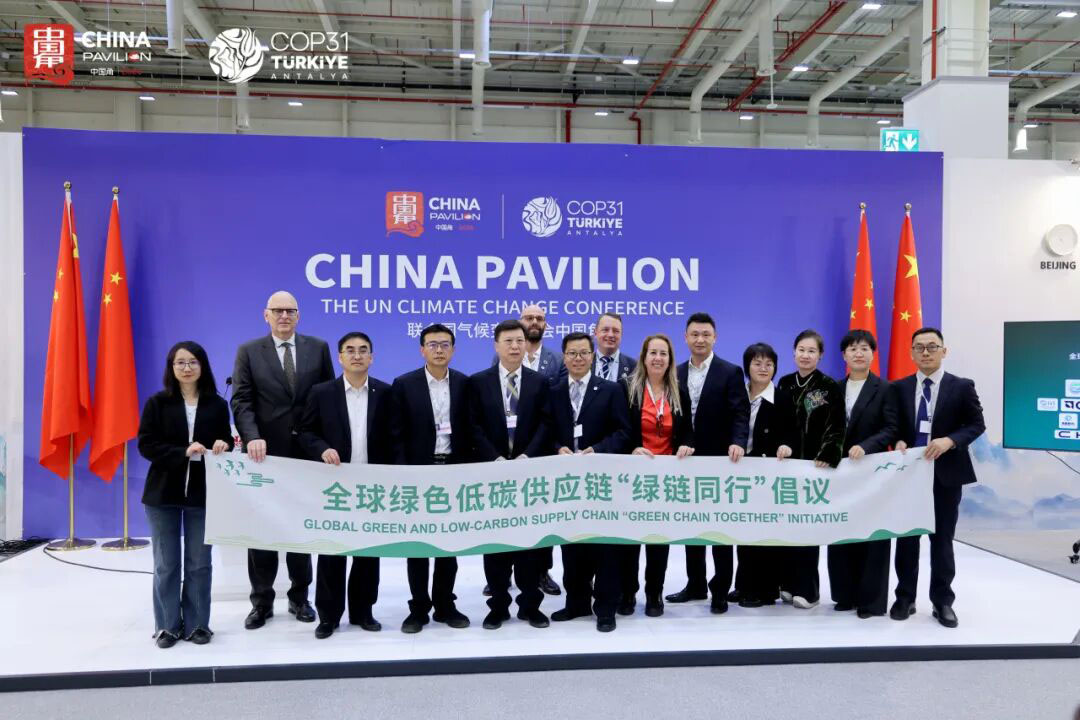
At COP31, the company also joined the “Green Chain Access” initiative for global green and low-carbon supply chains. DataBeyond plans to expand technology sharing, local partnerships and traceability of recovered materials, including their categories, weights and downstream destinations.
Beyond supplying equipment, it supports local operators through system integration, technical training and maintenance services, adapting sorting solutions to different waste compositions, infrastructure conditions and recycling markets.
Through international cooperation and practical sorting solutions, DataBeyond aims to connect collection, recovery and recycled-material manufacturing—helping more resources re-enter global supply chains and supporting a more circular, lower-carbon economy.
 IPv6 RED SOPORTADA
Dejar un mensaje
Escanear a WeChat :

Escanear a WhatsApp :